Pasta 101
Is gluten-free pasta as good as regular pasta? An honest answer.
The honest answer first
Gluten-free pasta is not identical to wheat pasta. The texture is a little different. The al dente window is narrower. If you overcook it, it tends to go soft faster than wheat pasta does.
But — and this is the important part — when you cook it properly, a well-made gluten-free pasta is genuinely excellent. It holds sauce. It plates well. The kids don’t notice. You don’t feel like you’re eating a compromise.
We make our gluten-free range because we want the gluten-free table to not feel like it’s missing out. That means we tell you the truth about what it’s like to cook with.
What’s actually in gluten-free pasta?
The supermarket category covers a wide spread of recipes. The cheaper end is almost entirely corn flour and rice flour — workable, but low on protein and quick to overcook. The better end blends a legume flour (chickpea, lentil, pea) into the rice base, which brings real protein and a sturdier al dente bite.
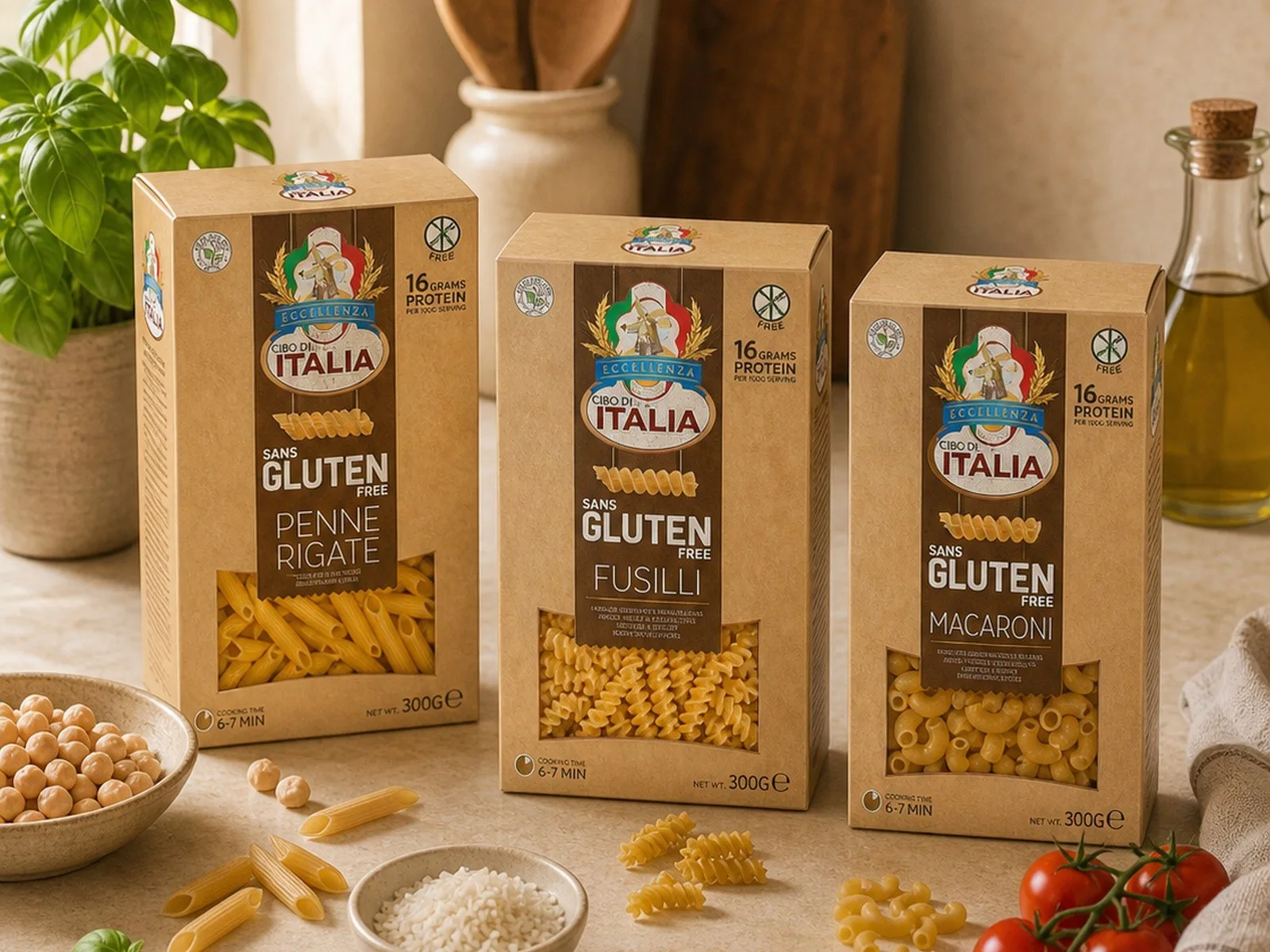
Our Gluten-Free range sits firmly in the second camp. The blend is chickpea flour, brown rice flour, tapioca starch and pea protein, textured. The combination matters:
- Chickpea flour gives the pasta its protein backbone and a faintly nutty flavour. It’s why a serving of our gluten-free pasta carries 16g of protein per 100g — about twice what a typical maize/rice blend carries.
- Brown rice flour softens the chickpea and adds the clean, mild base note that lets sauces taste of sauce, not of legume.
- Tapioca starch is the glue. It gives the dough enough body to hold the the mould’s ridges and helps the cooked pasta keep its shape on the plate.
- Pea protein rounds out the amino-acid profile and reinforces the al-dente bite.
What gluten-free pasta does not have is gluten — the protein network in wheat that gives durum semolina pasta its springy, slightly chewy bite. The challenge for any gluten-free pasta maker is creating that springy structure without the natural building block. A high-protein legume-based blend like ours gets astonishingly close.
Where the texture differs
Three honest differences:
- Slightly softer mouthfeel — even at al dente, the bite isn’t quite as elastic. It’s more tender. Some people prefer it.
- A subtle starchiness if you don’t cook it in plenty of water. Use the full 4 litres for a 300g pack, not less.
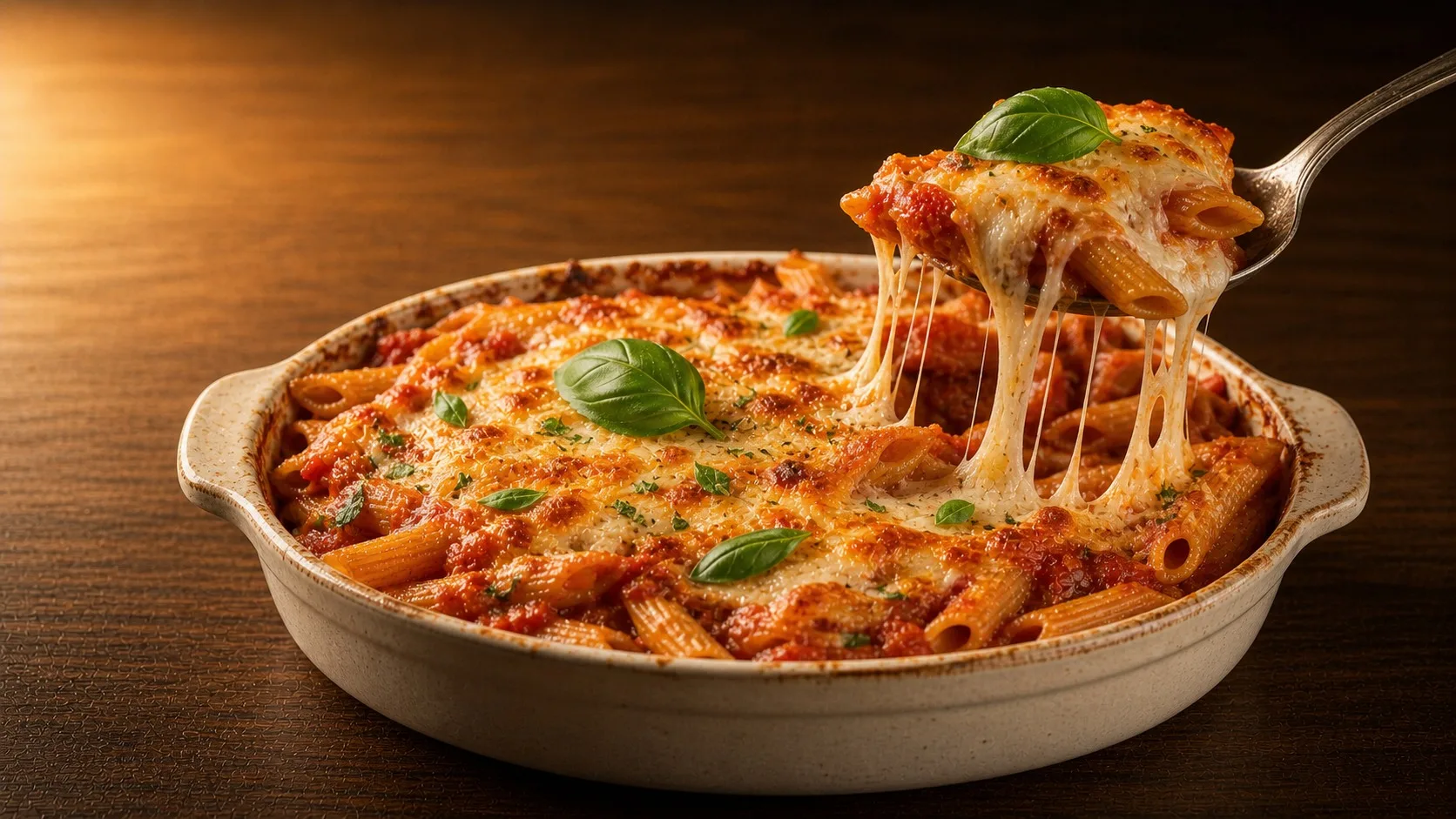
- It firms up more on standing. Wheat pasta goes soft if you leave it; gluten-free pasta does the opposite — it tightens up. This is actually a gift for pasta bakes, where the dish rests before serving.
Where the texture works beautifully
Gluten-free pasta has some quiet strengths that wheat pasta doesn’t:
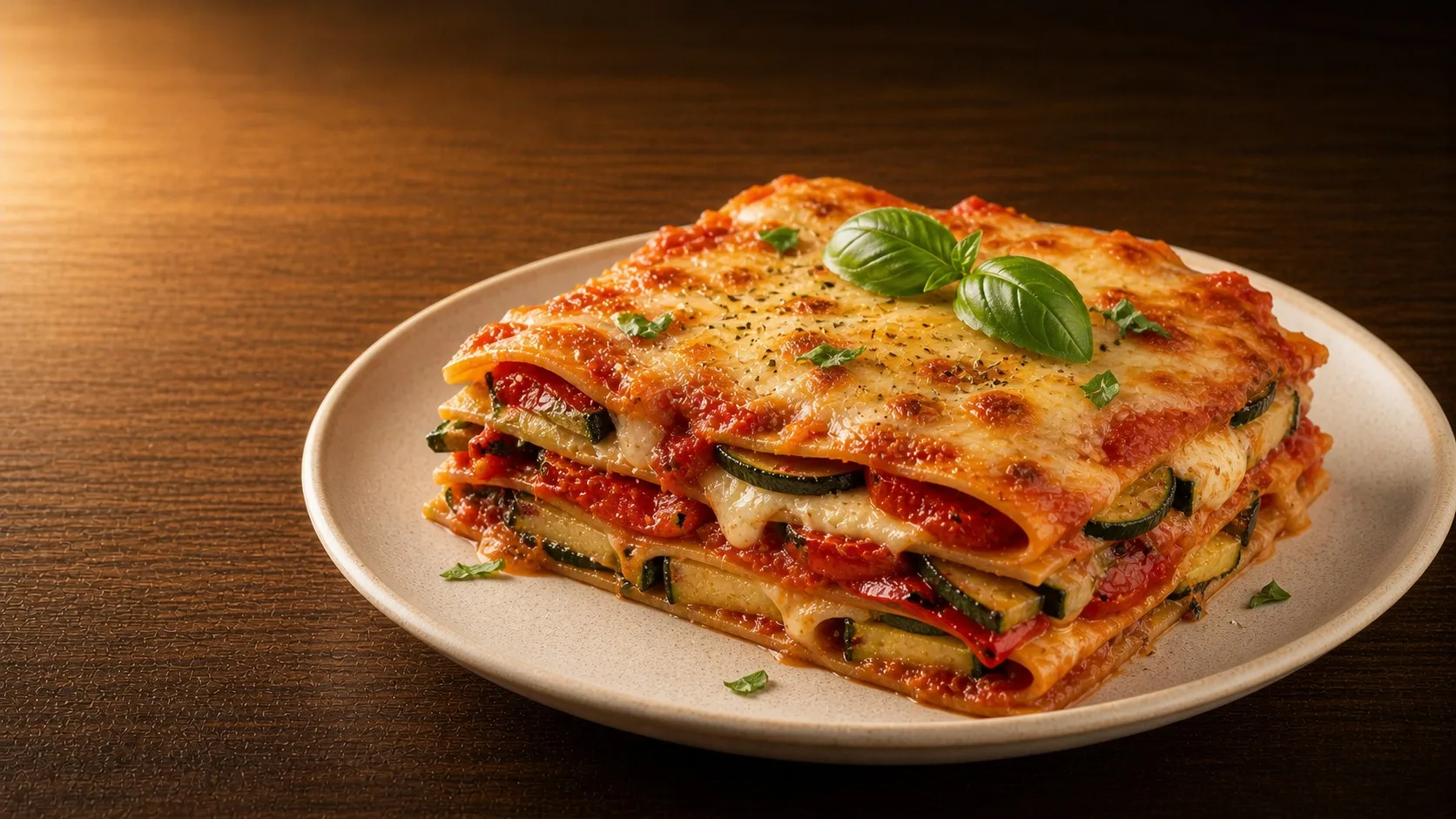
- Pasta bakes are improved by it. Because it firms on standing, the layers in a lasagne or bake set up neatly when you cut.
- It catches sauce well. A ridged shape like our Gluten-Free Penne Rigate has the same grip that any rigate shape does — sauce clings just as well.
- It doesn’t taste of “different.” A good blend doesn’t shout chickpea or rice. It tastes of pasta.
How to cook gluten-free pasta well
Five rules. Get these right and the difference shrinks to almost nothing:
- Plenty of water. 4 litres for a 300g pack. The water dilutes the released starch so it doesn’t gum up.
- A rolling boil, well salted. Same 2 tablespoons of salt. The pasta needs seasoning from the inside, same as wheat.
- Stir for the first 30 seconds. Gluten-free pasta is a little more prone to sticking at the start.
- Pack-time minus 1 minute, then taste every 30 seconds. The al dente window is narrower — 60 seconds can be the difference. Catch it the moment it’s firm-tender at the centre.
- Finish in the sauce with a splash of pasta water. Same trick as wheat pasta. The dissolved starch makes the sauce glossy and clingy.
Drain gently. Don’t slam the colander or stir aggressively — gluten-free shapes are slightly more delicate when wet.
The honest case for keeping wheat pasta on the shelf too
If no one in your household needs to avoid gluten, you don’t need to switch entirely. Many families keep both — wheat pasta for everyday weeknights, gluten-free for a guest who needs it, or for the night the family member with a sensitivity is eating.
Where families with a member who needs gluten-free really win is being able to make one dinner that the whole table eats. That’s the actual brief our Gluten-Free range was made for.
So — is it as good?
It’s different. In some specific ways it’s better (bakes, holding shape on standing). In some specific ways it’s not (the bite is a touch less elastic). Across the breadth of weeknight cooking, the gap is much smaller than gluten-free pasta’s old reputation suggests.
The honest verdict: if you cook it like you mean it, your family will enjoy it. We don’t dress it up as more than it is, and we don’t apologise for what it is. It’s pasta, made for the gluten-free table.
The takeaway
Gluten-free pasta isn’t a downgrade — it’s a different ingredient that rewards a slightly tighter technique. The reward is one dinner for the whole table, with no one sitting out. That’s the whole point of our Gluten-Free range.