Whole Wheat range
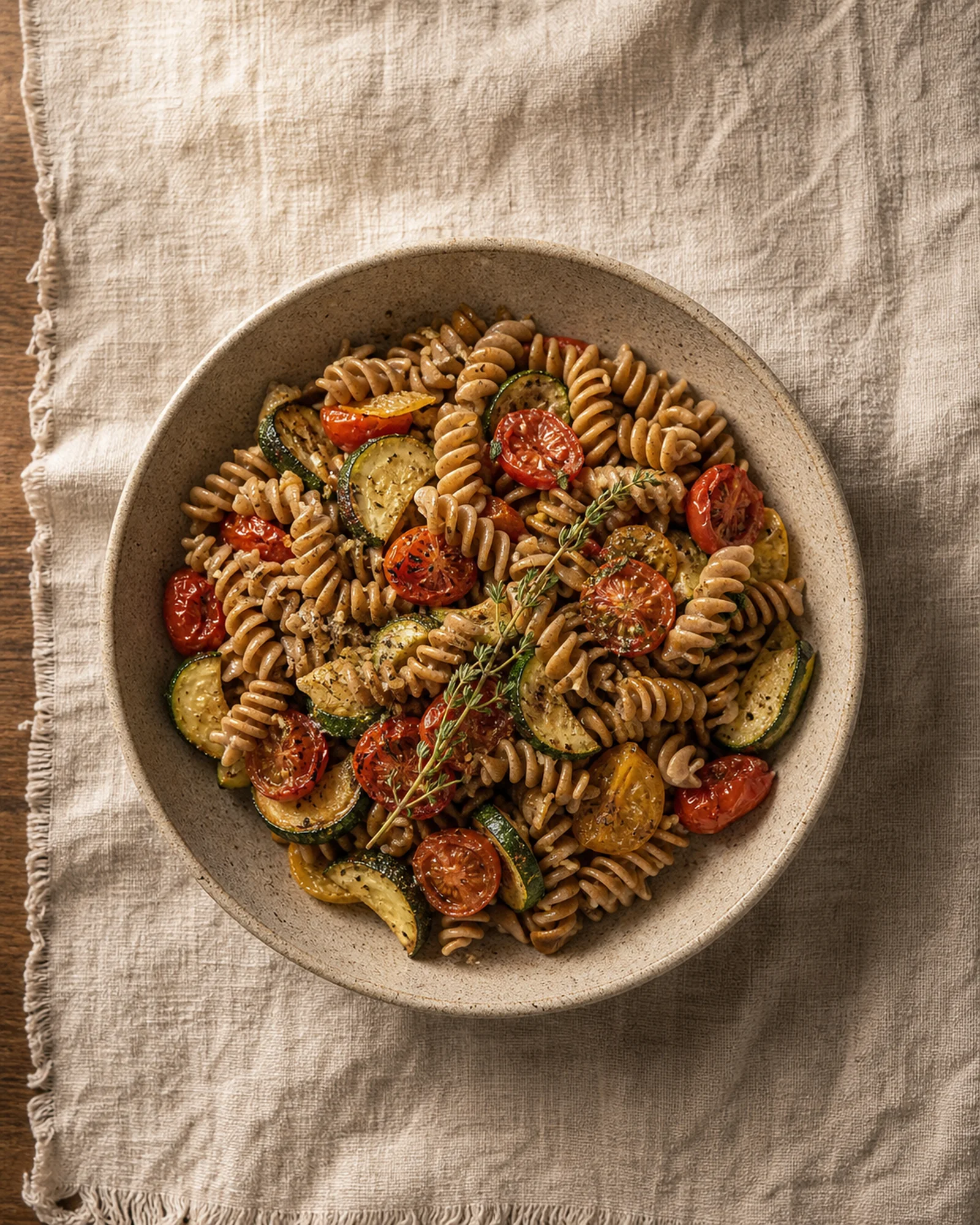
Stone-milled whole durum wheat keeps the bran and germ in. Deeper colour, deeper flavour, more fibre per plate.
Whole wheat pasta starts with the same durum wheat as the Classic range, but the milling takes a different turn. Instead of refining the grain down to just the endosperm — which gives you the white semolina in Classic — stone-milling keeps the outer bran and the germ intact. That's where most of the fibre lives, along with the natural oils that give whole wheat its distinctly nuttier flavour.
The result is a pasta that has more going on — a slightly earthier taste, a colour that leans golden-brown rather than pale yellow, and a texture that can handle a heavier sauce. Whole Wheat penne works well with roasted vegetables, thick tomato sauces, and anything with legumes. Whole Wheat fusilli is at home with olive oil, garlic and greens — the kind of weeknight dinner that comes together in twenty minutes. Whole Wheat macaroni, baked or stirred into a soup, holds its shape without going mushy.
All three shapes come in 500g packs. The cooking time is similar to Classic — check the pack for the exact window, but the al dente window is real here too. For sauce pairing ideas, the shape and sauce pairing guide covers the Whole Wheat shapes alongside the rest. And if you need to get quantities right for a group, the pasta calculator is a quick reference.
The whole grain.
Nothing taken out.
Made from whole durum wheat: bran, germ and endosperm all still in the flour. Deeper colour, a fuller flavour, and three shapes that hold up to heavier sauces. The bite you know, the grain you don't usually get.
Three parts of the grain. Whole Wheat keeps all three.
Every wheat kernel has three layers. Refined semolina is milled from one of them. Whole Wheat is milled from all three, which is what gives the flour its deeper colour and the dough its heartier character.
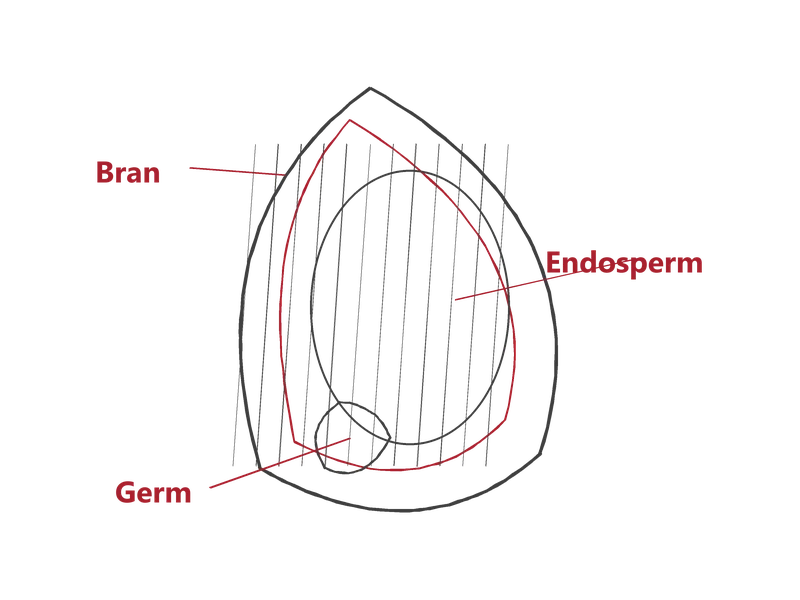
The fibrous outer layer of the kernel. Refined milling removes it; whole-wheat keeps it, which is where most of the colour and the chew come from.
A small nutrient-rich section with the natural oils, minerals and aroma compounds. Refining strips it out; whole-wheat keeps it in.
Starch and protein. The only part refined pasta is made from. Whole Wheat keeps it too: it simply keeps the other two parts as well.
Two ingredients. The whole grain.
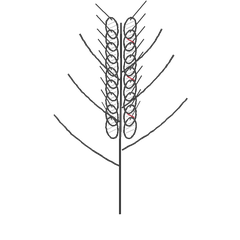

Nutrition, with the controls in your hand.
Pack values are per 100g of dry pasta. Drag the slider or step the servings to see what an actual plate looks like.
Whole Wheat Fusilli / Penne / Macaroni — per 100g
- Energy330 kcal17%
- Fat3.3 g5%
- of which saturates0.5 g3%
- Carbohydrate63 g24%
- of which sugars4.5 g5%
- Dietary fibre9 g36%
- Protein12.1 g24%
- Salt0.015 g0%
- Iron0 mg0%
- Cholesterol0 mg
Whole-wheat shapes pull heavier weight.
Stronger flavour, denser bite: these are the shapes you reach for when the sauce has its own opinions.
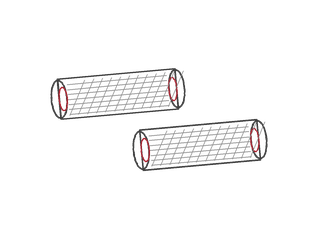
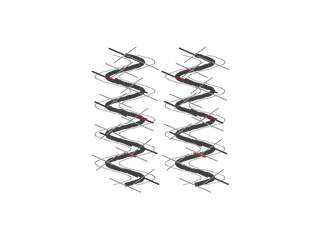

Cooks like pasta. Tastes like grain.
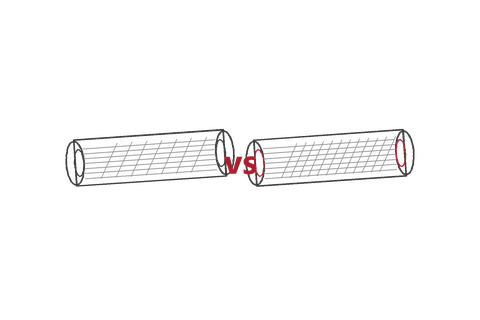
Whole-wheat tastes like wheat: slight bitterness, a nuttiness that refined pasta loses at the mill. It works best with sauces that can match the grain.
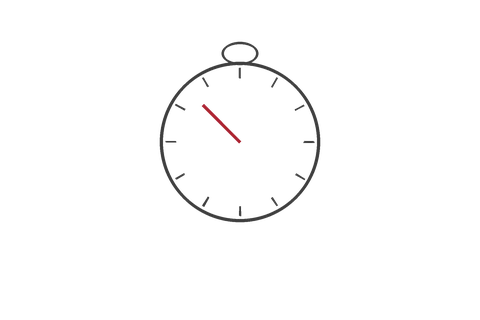
A minute or two longer than Classic. The bran takes water more slowly, so taste a piece at minute 9 and pull it at the bite you want.
The denser dough stays clear against a thick mushroom sauce or vegetable stew. Drain it slightly firm and let it finish in the pan.
A pasta that earns its place on the plate.
The Whole Wheat range
Three whole-grain shapes that pull their weight against heavy sauces.

Whole Wheat Penne
500g · cooks in 10–12 min

Whole Wheat Fusilli
500g · cooks in 10–12 min

Whole Wheat Macaroni
500g · cooks in 9–11 min