Classic range
Made from durum wheat semolina. Cooks evenly, holds its shape, and pairs with everything from a quick tomato sauce to a slow-simmered ragu.
Durum wheat semolina has been the backbone of dried pasta for a long time, and for good reason. The high gluten content and low moisture of durum wheat give pasta a density that holds up in boiling water without turning soft before you drain it. When you cook Classic to al dente, there is a genuine bite in the centre — not crunch, not mush, but resistance. That's what durum does.
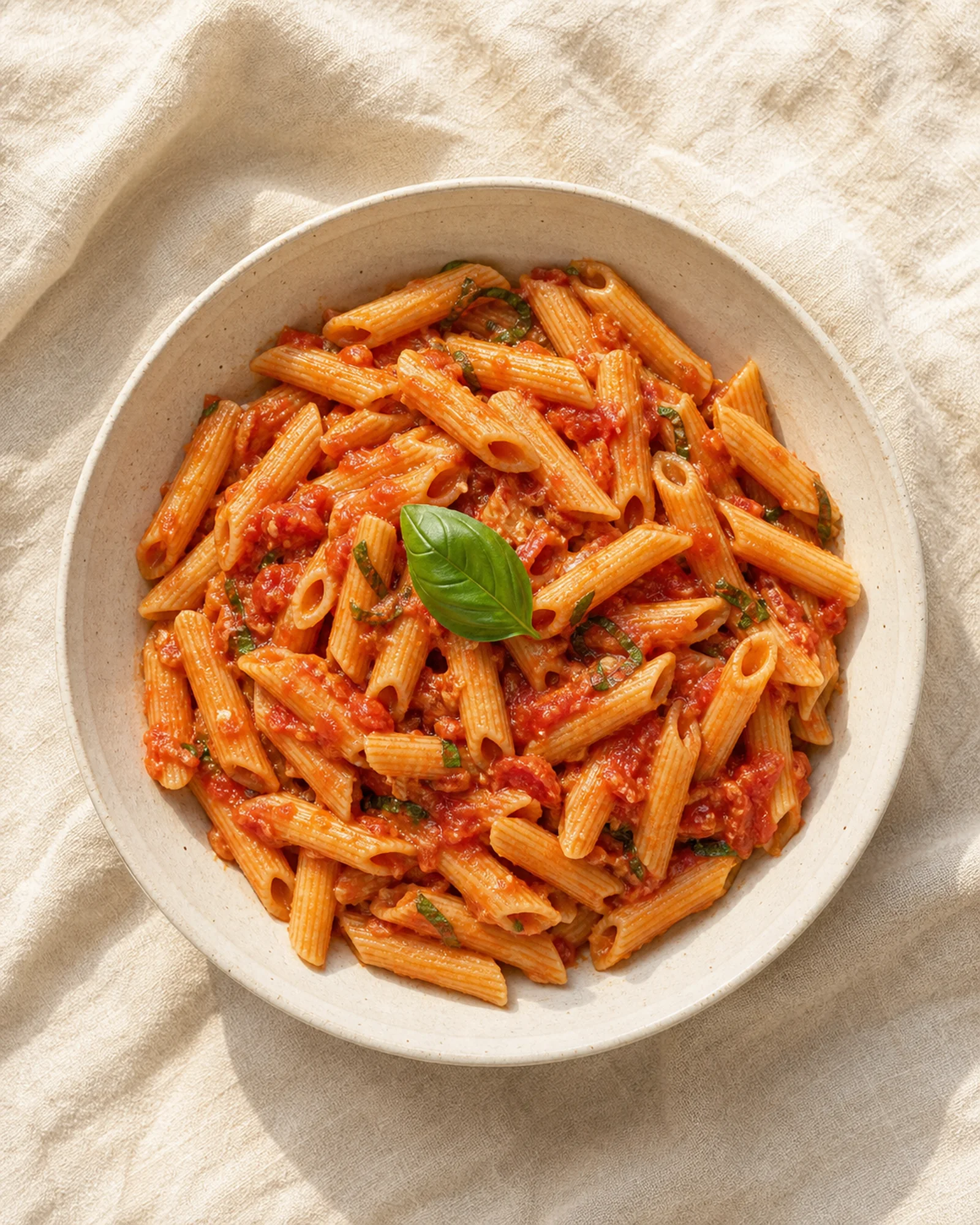
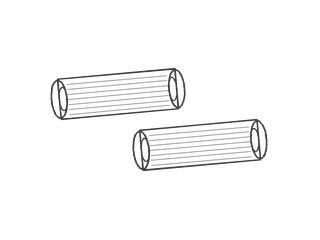
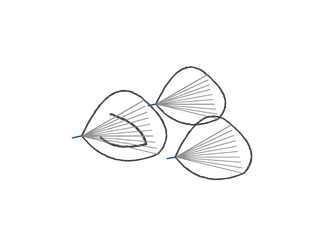
The Classic range covers four shapes, each with a purpose. Macaroni's hollow tube catches chunky sauces and baked cheese. Fusilli's spiral pulls in thinner tomato-based sauces and clings to herb oils. Penne rigate — the ridged version — grips cream-based and meat sauces better than smooth penne. Conchiglie rigate, the shell shape, is the one to reach for when there's something worth scooping: lentils, beans, a chunky vegetable ragù. For a fuller breakdown of which shape suits which sauce, the shape and sauce pairing guide is worth a read before you cook.
All Classic shapes come in 500g packs — enough for four adult servings with some margin. If you're cooking for a crowd or meal-prepping, the pasta calculator takes the guesswork out of quantities. And if you're looking for recipe ideas that actually make use of the shape rather than just calling for "any pasta", browse our Classic recipes .
Pasta night,
the way it should work.
Two ingredients on the back of the box: durum wheat semolina and water, in four shapes that cover weeknight dinners, baked pastas, lunch leftovers and the quick bowl after work.
Two ingredients. Read the back of the box.
No emulsifiers, no preservatives, no flavour enhancers, no gums. Just durum wheat semolina and water, shaped for a clean bite from edge to centre.

What's in a 100g plate.
Per 100g dry pasta, matching the on-pack table. For high protein, see our Gluten-Free range.
Classic range — per 100g pack values
- Energy330 kcal17%
- Fat3.3 g5%
- of which saturates0.5 g3%
- Carbohydrate63 g24%
- of which sugars4.5 g5%
- Dietary fibre9 g36%
- Protein12.1 g24%
- Salt0.015 g0%
- Iron0 mg0%
- Cholesterol0 mg
Every shape is tuned to a different kind of dinner.
Same dough, four geometries. Pick the one that matches what's in your pan; the sauce will tell you the answer.

A small cheat sheet for the pantry.
More dots, better match. None of these are rules, but if you've ever ended up with sauce pooling at the bottom of the bowl, this is why.
| Shape | Tomato | Cream | Oil + garlic | Cheese bake | Cold salad |
|---|---|---|---|---|---|
| Macaroni | |||||
| Fusilli | |||||
| Penne Rigate | |||||
| Conchiglie Rigate |
Behaves like pasta should.
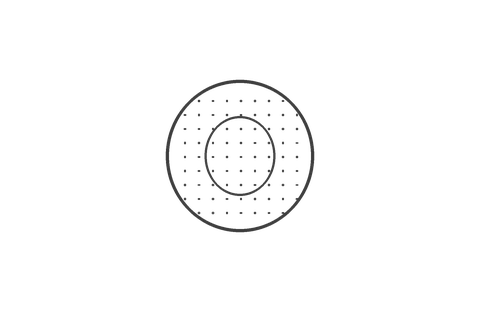
No chalky centre, no mushy edges. The semolina absorbs water at the same rate from the outside in, so the bite is consistent across the whole piece.
Macaroni at 8, fusilli and penne at 9-11, conchiglie at 10-12. Pull a piece a minute before the box says and bite; that's your best texture.

A splash of water or oil in the pan brings yesterday's pasta back. The starch has not broken down; it just needs heat and a little moisture.
A pantry pasta for almost every cook.
The Classic range
Four shapes, four jobs. Macaroni, fusilli, penne rigate, conchiglie rigate.

Spaghetti
500g · cooks in 9–11 min

Macaroni
500g · cooks in 8–10 min

Fusilli
500g · cooks in 9–11 min

Penne Rigate
500g · cooks in 9–11 min

Conchiglie Rigate
500g · cooks in 10–12 min