Gluten-Free range
A high-protein blend of chickpea flour, brown rice flour, tapioca starch and pea protein — textured so it cooks al dente and grips sauce like a wheat pasta. 16g of protein per 100g serving, no shortcut, no compromise.
The Gluten-Free range doesn't try to be wheat pasta with wheat removed. It's a different blend from the start: chickpea flour, brown rice flour, tapioca starch and pea protein. Chickpea flour provides structure and a mild nuttiness. Brown rice flour gives a neutral base that keeps the texture firm. Tapioca starch smooths the dough and helps the pasta hold together during cooking. Pea protein pushes the protein content up — to 16g per 100g of dry pasta, which is noticeably higher than standard pasta.
It is gluten-free, made in India, and comes in three shapes — penne rigate, fusilli and macaroni — in 300g packs. The cooking behaviour is slightly different from wheat pasta: the window between al dente and soft is a little shorter, so it rewards attention. Once you've cooked it once, you'll know the timing for your setup.
For those avoiding gluten for medical reasons, or for households that simply want a higher-protein option on the pasta shelf, this range is the one to explore. See the shape and sauce pairing guide for sauce ideas, and the pasta calculator for quantities (300g packs cook up smaller than 500g — worth accounting for).
Pasta night, without the wheat.
And without the compromise.
Most gluten-free pasta either falls apart or feels like a punishment. Ours does not. A textured blend of chickpea, brown rice and pea protein that cooks firm bite in 6–7 minutes, grips sauce like wheat, and delivers 16 grams of protein per 100g serving — more than an egg, more than our durum-wheat Classic.
What's actually in a 100g plate.
Per 100g dry pasta. Pack values: 369 kcal · 4.6g fat · 65.5g carbs · 0.02g salt.
Gluten-Free range — per 100g pack values
- Energy369 kcal18%
- Fat4.6 g7%
- of which saturates0.5 g3%
- of which trans fats0 g
- Carbohydrate65.5 g25%
- of which sugars4.5 g5%
- Dietary fibre7 g28%
- Protein16.3 g33%
- Salt0.02 g0%
- Iron2.9 mg21%
- Cholesterol0 mg

More protein than wheat pasta. More than an egg.
Most gluten-free pasta is rice or corn — light on protein, quick to turn to mush. Ours leads with chickpea flour and adds pea protein, which is why the number on the back of the box is roughly double the category norm.
Per 100g. Cibo values from on-pack nutrition panels. Egg and category reference values are broad context values, included for context.
Five ingredients. Nothing you can't pronounce.
Chickpea flour, brown rice flour, tapioca starch, pea protein, vegetable gum. That's the whole list. No wheat, no soy, no egg, no thickeners with numbers for names.

Cooks like pasta. Behaves like pasta.
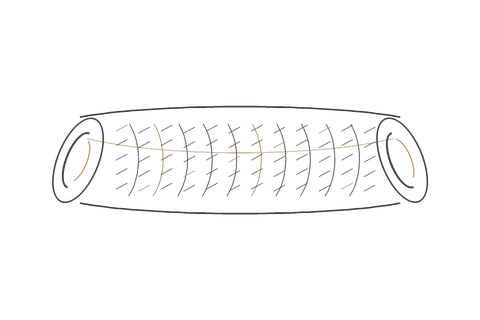
A rough, ridged finish gives sauce something to hold onto. Tomato clings, pesto clings, oil-and-garlic clings.
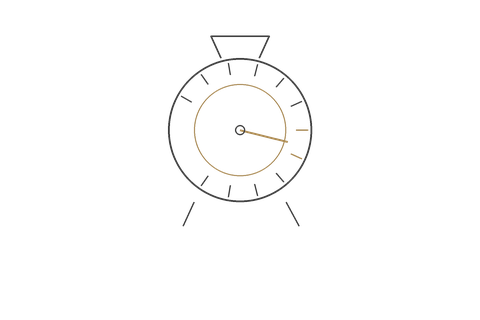
Faster than wheat — but you still get the bite. Drain at minute six if you like it firmer.
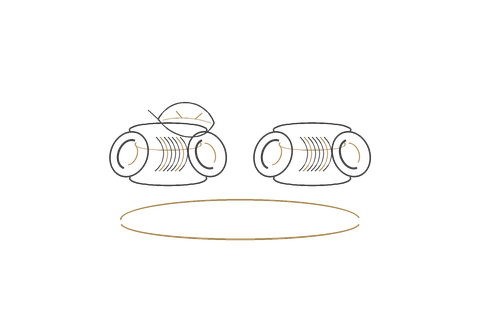
Tapioca holds the shape on the boil. Penne stays penne, fusilli stays fusilli, after a 10-minute rest in sauce.
Three shapes for three kinds of dinner.
Same chickpea-and-rice blend, same 16g of protein — three geometries so the sauce matches the shape and not the other way round.
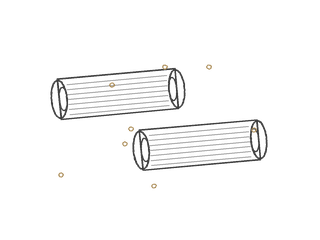

A pasta for more than one kind of dinner.
The Gluten-Free range
Three shapes. Same blend. Same 16g of protein per 100g.

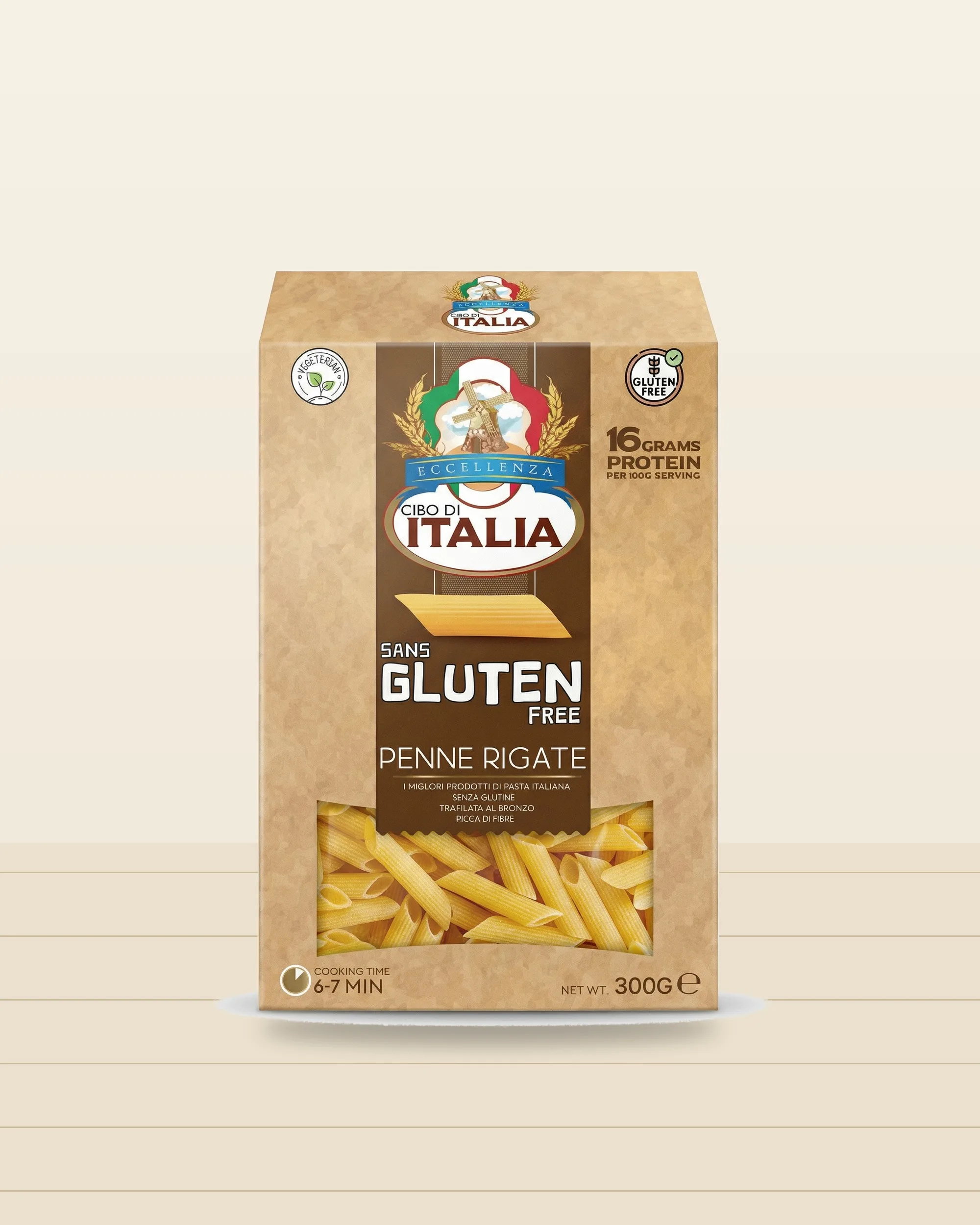
Penne Rigate
300g · cooks in 6–7 min

Fusilli
300g · cooks in 6–7 min

Macaroni
300g · cooks in 6–7 min
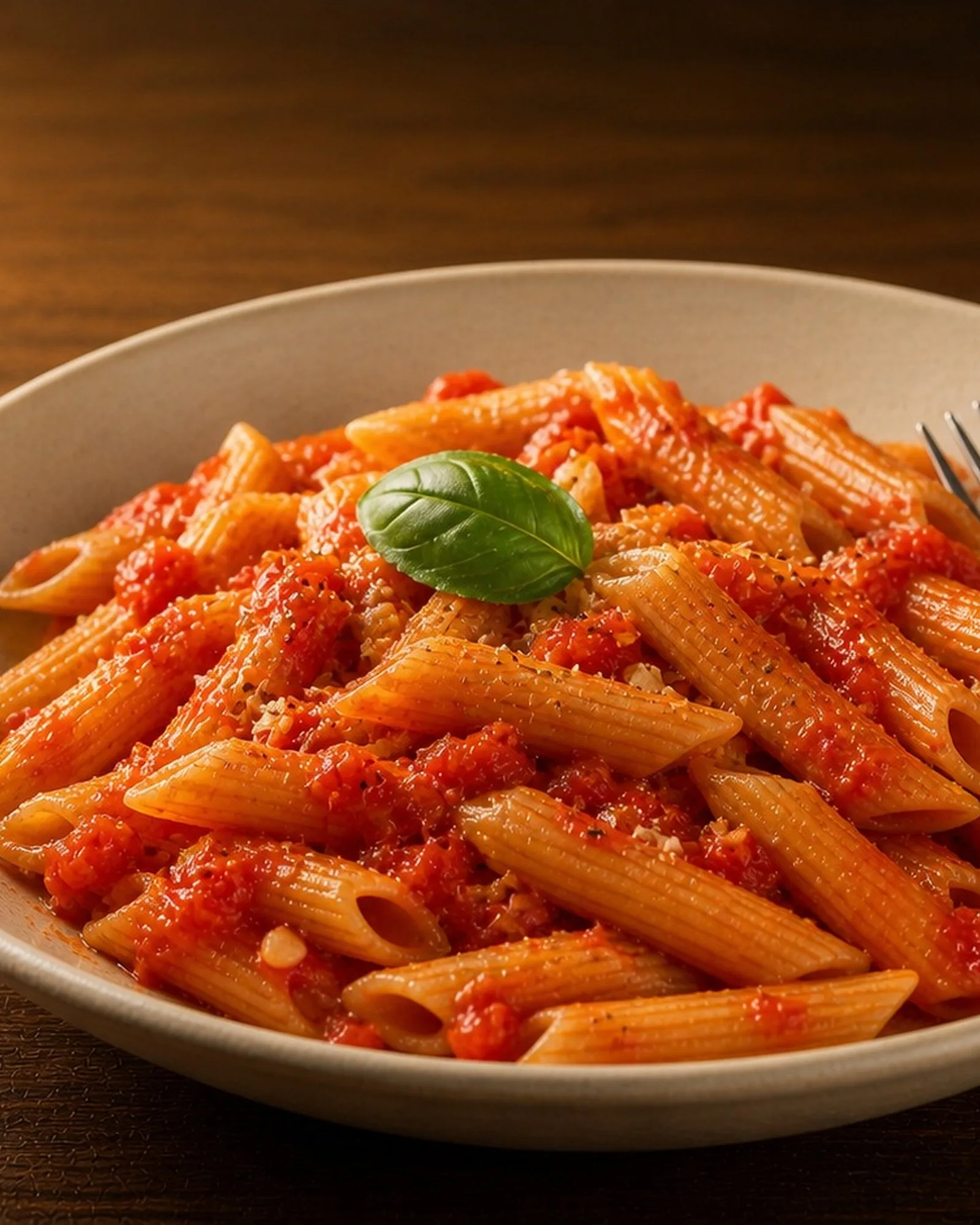
Penne Arrabbiata
Five ingredients you probably already have. Ten minutes once the water boils.
- 8 oz penne pasta
- 2 tbsp olive oil
- 1 garlic clove, minced
- ¼ tsp red pepper flakes
- 1 can crushed tomatoes
- Salt and pepper to taste
The honest answers.
Why chickpea, not just rice?
Will it taste like chickpeas?
Is it gluten-free?
What sauces work best?
How do I store leftovers?
What's in the blend
16g of protein per 100g. No wheat, no compromise on texture.
Chickpea flour
The primary ingredient and main protein source. Chickpea flour gives the pasta structure, a gentle nuttiness, and a firmer bite than rice-only blends.
Brown rice flour
A neutral base that keeps the flavour mild and the texture smooth. Brown rice flour is naturally gluten-free and blends cleanly with the chickpea flour.
Tapioca starch
Helps bind the dough and gives the cooked pasta a slight chew. Without it, gluten-free pasta can fall apart in the pot — tapioca starch prevents that.
Pea protein
Pushes the protein count up. Combined with chickpea flour, the blend reaches 16g of protein per 100g — well above most standard pasta.
Product of India. Available in penne rigate, fusilli and macaroni, 300g packs.
Recipes using the Gluten-Free range
These recipes are built around the gluten-free blend — same approach as the Classic recipes, adapted for the chickpea-rice base.
Gluten-Free Fusilli Corn & Avocado Salad
A gluten-free pasta salad that eats like lunch, not a side dish. Charred corn, avocado, lime and coriander give the fusilli freshness and enough body to pack for later.
View recipe →
Gluten-Free Macaroni with Chicken & Sweetcorn
Creamy, gentle and built for sensitive tables. Gluten-free macaroni, chicken and sweetcorn fold into a light sauce that feels familiar without being heavy.
View recipe →
Gluten-Free Penne Rigate Bake
A bake the whole family eats — no one asks which range it is. Cibo di Italia Gluten-Free Penne Rigate stands up beautifully under tomato sauce and melted mozzarella. A real bake, not a compromise.
View recipe →
Vegetable Lasagne
A weekend lasagne that swaps sheets for ridged gluten-free penne — the ridges trap béchamel and tomato in every layer, so every bite is properly saucy. A vegetable-heavy, gluten-free bake nobody at the table feels left out by.
View recipe →
Gluten-Free Penne with Roasted Pepper Sauce
A smooth roasted pepper sauce that wraps around gluten-free penne without weighing it down. The sauce is blended, the pasta stays al dente, and the bowl lands bright and comforting.
View recipe →
High-Protein Chickpea Pasta with Tomato & Basil
Simple does not mean low-effort — a 20-minute tomato sauce made with real tomatoes and plenty of basil is one of the best things you can put on pasta. Cibo di Italia Gluten-Free Penne Rigate brings 16g of protein per 100g to the bowl before the sauce even hits, making this one of the most satisfying plates on the table.
View recipe →
Gluten-Free Fusilli Primavera
A bowlful of bright colours and clean flavours — courgette, peas, asparagus and a lemon-parmesan finish that ties everything together without a drop of cream. Cibo di Italia Gluten-Free Fusilli spirals hold the light olive oil sauce in every groove, making each bite as flavourful as the last.
View recipe →
High-Protein Gluten-Free Macaroni with Chicken & Broccoli
A proper protein-forward bowl that works for the whole family. Cibo di Italia Gluten-Free Macaroni already brings 16g of protein per 100g, then shredded chicken and a generous portion of broccoli push the numbers even further. A light garlic-parmesan sauce ties everything together without heaviness. On the table in under 30 minutes, gluten-free without compromise.
View recipe →
For shape-to-sauce guidance, see the pasta shape and sauce pairing guide . Working out how much to cook? Use the pasta calculator .
Questions about gluten-free pasta
- Is gluten-free pasta as good as regular pasta?
- It depends what you mean by "good". It cooks differently — usually a shorter window before it softens — and the flavour has a subtle nuttiness from the chickpea flour. Many families find they genuinely enjoy it, not just as a substitute. For a fuller answer, see our guide on whether gluten-free pasta is as good as regular. Read the full comparison .
- What is the Cibo di Italia Gluten-Free pasta made from?
- The blend is chickpea flour, brown rice flour, tapioca starch and pea protein. No wheat, no gluten-containing grains. It is gluten-free pasta made in India — no wheat or gluten-containing grains in the recipe.
- How much protein is in the gluten-free pasta?
- 16g of protein per 100g of dry pasta — noticeably higher than standard durum wheat pasta, which typically sits around 12–13g per 100g. The chickpea and pea protein in the blend are the main reason.
- Which shapes does the Gluten-Free range come in?
- Three shapes: penne rigate, fusilli and macaroni. All come in 300g packs. The same sauce pairings that work on Classic penne and fusilli translate well to the gluten-free versions.